











Gautam Buddha is renowned not just for his spiritual awakening, but also for his profound teachings that transcend time and culture. His life and wisdom offer guidance on how to live a peaceful, fulfilled, and purposeful existence. In a world filled with chaos, his teachings provide an anchor for mental clarity, emotional resilience, and personal growth.


Real Failure Is Not Trying: Buddha teaches us that failure is not an end but a part of growth. The true failure lies in avoiding action due to fear or doubt. By not trying, we deny ourselves the possibility of success and learning. Success isn’t guaranteed, but the act of trying and learning from the experience is what truly matters. This teaching urges us to embrace life’s challenges head-on, without fear of failure, knowing that growth lies in every attempt. (Image: AI Generated)

Everything Is Impermanent: Attachment to things or outcomes leads to suffering. The nature of life is change, and nothing stays the same forever. This includes emotions, relationships, possessions, and even our own lives. Buddha’s lesson reminds us to appreciate the present moment, understanding that nothing lasts. Acceptance of impermanence frees us from unnecessary attachments, allowing us to live with greater peace and less anxiety about the future. (Image: AI Generated)

Mindfulness Is Path To Liberation: Buddha emphasized the importance of mindfulness in every aspect of life. Whether we are eating, walking, or working, being fully present in the moment allows us to experience life more deeply. Mindfulness helps to clear the mind of distractions and brings us back to what truly matters. Through mindfulness, we develop clarity and wisdom, freeing ourselves from negative patterns and habits that keep us stuck in suffering. (Image: AI Generated)
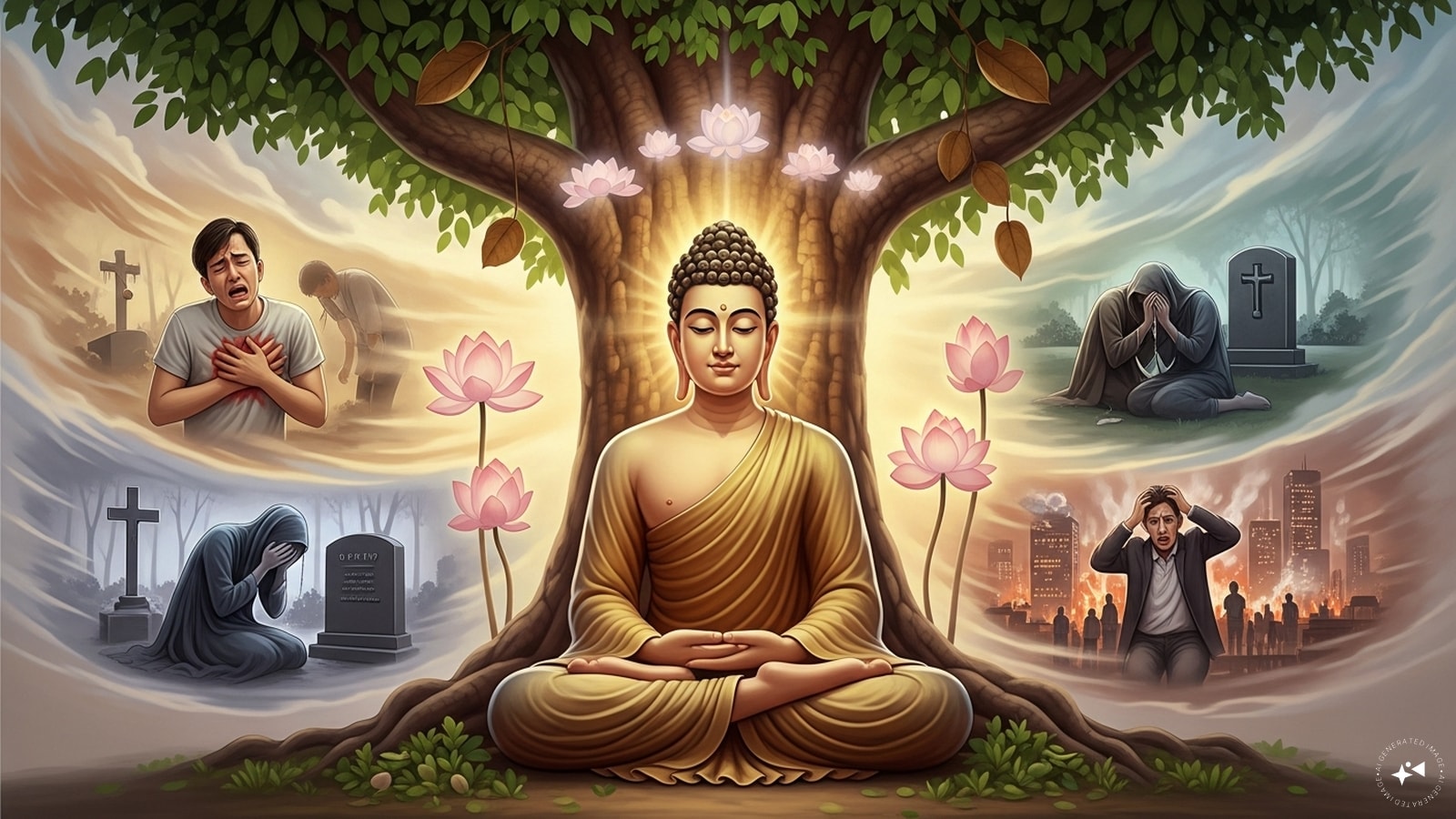
Suffering Is A Part Of Life: Buddha’s first noble truth is that suffering is an inherent part of the human condition. Whether it’s physical pain, emotional loss, or existential dissatisfaction, suffering is inevitable. However, Buddha teaches that it is our attachment to desires and expectations that magnify suffering. By acknowledging suffering as a part of life and practicing acceptance, we can find peace amidst challenges, learning to navigate pain with equanimity and understanding. (Image: AI Generated)

Your Thoughts Shape Your Reality: Buddha believed that the mind is incredibly powerful. Our thoughts shape our emotions, behaviors, and ultimately, our reality. If we cultivate positive, loving thoughts, we attract positive experiences. Conversely, negative, destructive thoughts can lead to unhappiness and suffering. By observing and transforming our thoughts, we gain control over our inner world, creating a life that reflects peace, compassion, and wisdom. (Image: AI Generated)

Compassion Is Key To True Happiness: Buddha emphasized the importance of compassion, not only toward others but also toward ourselves. Compassion is the antidote to selfishness and greed, and it fosters a sense of interconnectedness. True happiness arises when we are able to extend love and kindness without expecting anything in return. By acting with compassion, we create harmonious relationships and contribute to a more peaceful world. (Image: AI Generated)

Balance Is The Path To Peace: Life is about finding balance between our desires and our duties, between pleasure and discipline, and between action and stillness. By cultivating balance, we avoid the pitfalls of excess and deprivation, both of which lead to suffering. Living in the middle, Buddha teaches, brings peace, harmony, and wisdom to our lives. (Image: AI Generated)

You Are The Architect Of Your Own Destiny: Our actions, words, and thoughts shape our future. By practicing good deeds, cultivating wisdom, and purifying our minds, we can create a life that reflects our highest potential. This teaching empowers us to take control of our life, knowing that our choices directly impact the quality of our experiences and future opportunities. (Image: AI Generated)