



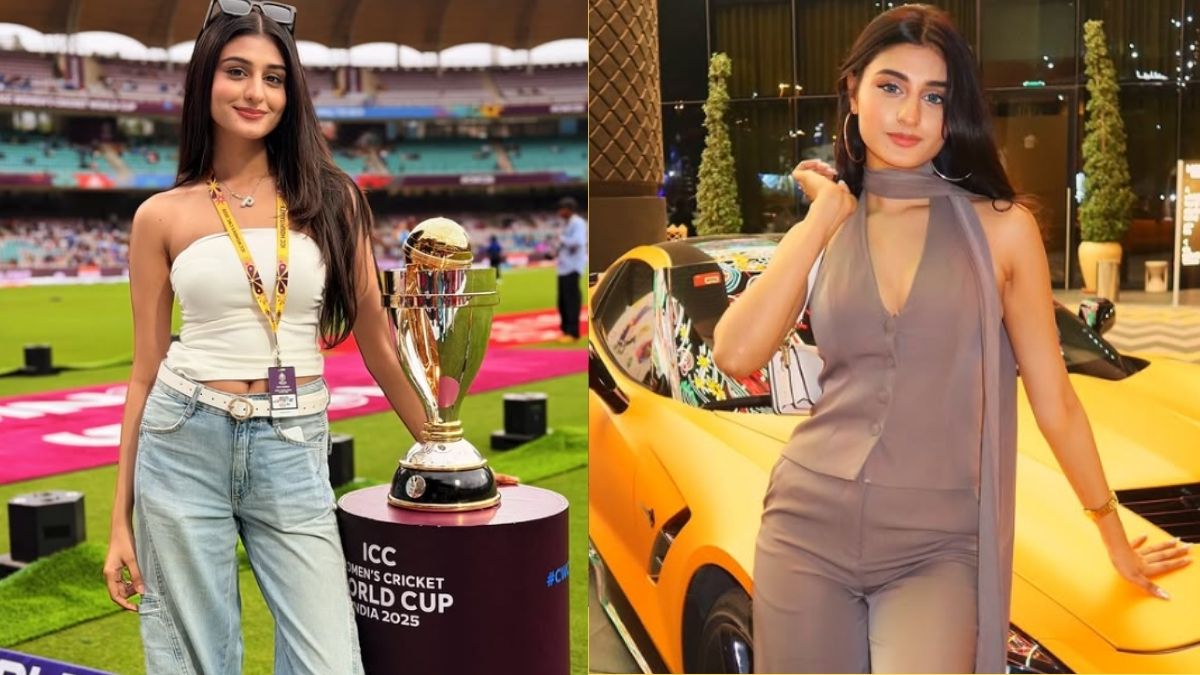
oi-Avinash Sharma
In
the
age
of
social
media,
a
few
seconds
on
camera
during
a
major
sporting
event
can
turn
an
ordinary
moment
into
instant
virality.
But
as
recent
events
show,
that
visibility
can
also
come
at
a
cost.
Payal
Dhare,
popularly
known
as
Payal
Gaming,
became
a
widely
discussed
name
earlier
this
year
after
she
went
viral
during
a
high-profile
ICC
Champions
Trophhy
2025
match,
involving
Team
India,
in
Dubai.
What
followed
months
later,
however,
was
far
less
harmless.
Payal
found
herself
dragged
into
a
malicious
online
controversy
involving
a
fake
“Dubai
MMS” claim,
underlining
how
quickly
sports-driven
virality
can
morph
into
targeted
misinformation
and
harassment.

From
Viral
Moment
to
Online
Target
Payal’s
viral
moment
was
unplanned
and
organic.
Clips
and
images
of
her
presence
in
the
stands
circulated
widely,
sparking
curiosity
among
cricket
fans
unfamiliar
with
her
background.
Searches
around
her
identity
surged,
and
her
name
began
trending
beyond
gaming
circles.
That
sudden
attention,
however,
also
made
her
vulnerable.
In
recent
days,
misleading
posts
began
circulating
online,
falsely
linking
her
to
an
alleged
private
video.
The
claims
were
accompanied
by
sensational
captions
and
suspicious
links
–
a
pattern
increasingly
seen
when
individuals
gain
sudden
visibility
through
sports-related
content.
Who
Is
Payal
Gaming?
Payal
Dhare
is
a
prominent
figure
in
India’s
gaming
ecosystem.
Born
on
September
18,
2000,
she
built
her
following
through
mobile
gaming
streams
and
content
creation,
steadily
establishing
herself
as
one
of
the
country’s
most
recognisable
female
gamers.
In
2024,
she
was
named
Mobile
Streamer
of
the
Year,
is
associated
with
iQOO
as
a
brand
ambassador,
and
is
part
of
leading
esports
organisation
S8UL
Esports,
with
her
professional
engagements
managed
by
8bit
Creatives.
While
well
known
within
the
gaming
community,
her
viral
moment
during
the
cricket
tournament
brought
her
into
the
mainstream
sports
spotlight
for
the
first
time.
The
Fake
Claim
and
How
It
Spread
The
false
narrative
claimed
that
a
private
MMS
video
allegedly
involving
Payal
had
surfaced
online.
As
is
typical
in
such
cases,
no
credible
source
backed
the
claim,
yet
it
spread
rapidly
across
platforms
such
as
X,
Telegram
and
Instagram.
MyKhel
took
a
closer
look
for
a
fact
check
and
revealed
familiar
red
flags:
clickbait
links,
recycled
visuals,
and
videos
that
were
either
unrelated
or
digitally
manipulated.
The
use
of
terms
like
“MMS
leak” and
references
to
overseas
locations
such
as
“Dubai”
added
a
false
sense
of
credibility,
exploiting
public
curiosity
and
the
speed
of
social
sharing.
Payal
Dhare
Speaks
Out
Payal
addressed
the
controversy
directly
through
her
official
X
account,
firmly
denying
any
connection
to
the
circulating
content.
She
clarified
that
the
video
being
shared
was
not
her
and
described
the
episode
as
distressing
and
harmful.
In
her
statement,
she
also
pointed
to
the
growing
misuse
of
AI
and
deepfake
technology,
warning
how
easily
fabricated
content
can
be
weaponised
against
individuals
who
suddenly
find
themselves
in
the
public
eye.
Her
response
drew
widespread
support
from
fans
and
fellow
creators,
many
of
whom
urged
users
to
avoid
sharing
unverified
material.
A
Familiar
Pattern
After
Sports
Virality
Payal
Gaming’s
case
fits
into
a
broader
and
troubling
pattern.
Women
who
gain
visibility
during
major
sporting
events
–
whether
as
athletes,
presenters
or
spectators
–
are
often
subjected
to
fake
scandals
once
their
images
circulate
widely.
Experts
note
that
such
misinformation
thrives
on
timing
and
context.
Sports
events
generate
massive
online
traffic,
and
individuals
who
trend
during
these
moments
become
easy
targets
for
fabricated
narratives.
With
deepfake
tools
becoming
more
accessible,
the
line
between
real
and
fake
content
has
become
increasingly
blurred,
making
reputational
damage
faster
and
harder
to
contain.
The
Payal
Gaming
case
is
not
just
about
a
false
claim;
it
is
a
reflection
of
how
sports
virality,
while
fleeting,
can
have
serious
personal
consequences.
What
began
as
a
moment
of
attention
during
a
sporting
event
turned
into
a
lesson
on
the
darker
side
of
online
visibility.
As
audiences
consume
and
share
content
at
unprecedented
speed,
her
experience
serves
as
a
reminder
of
the
responsibility
that
comes
with
virality
–
and
the
real
people
affected
when
misinformation
is
allowed
to
spread
unchecked.
Story first published: Wednesday, December 17, 2025, 22:00 [IST]
