










In 2025, luxury fashion shifted its focus from fleeting trends to timeless, practical, and socially conscious choices. From understated elegance to gender-fluid silhouettes, the year celebrated a balance between style, comfort, and responsibility. Here are the top luxury fashion trends, as per Kirti Deshpande, Programme Coordinator, Fashion and Apparel Design, School of Design, MIT-WPU, which dominated the charts.
1. Quiet Luxury (Understated, Timeless Fashion)
Luxury moved toward simplicity with clean cuts, neutral tones, and high-quality fabrics such as cashmere, silk, and fine wool. Perfect tailoring replaced overt branding, and pieces were designed to be versatile across occasions.


“Quiet luxury is the hallmark of modern sophistication. Consumers are investing in fewer but better pieces, focusing on quality and longevity rather than conspicuous branding,” says Deshpande.
2. Sustainable and Responsible Luxury
Sustainability became central, with brands focusing on ethical sourcing, recycled materials, and fair working conditions. Transparency about production and fabric origins has gained importance among consumers.
According to Deshpande, “Sustainability is no longer optional—it reflects conscious consumer values. Luxury brands now see responsibility and design as intertwined.”
3. Elevated Casual & Comfort-Led Luxury
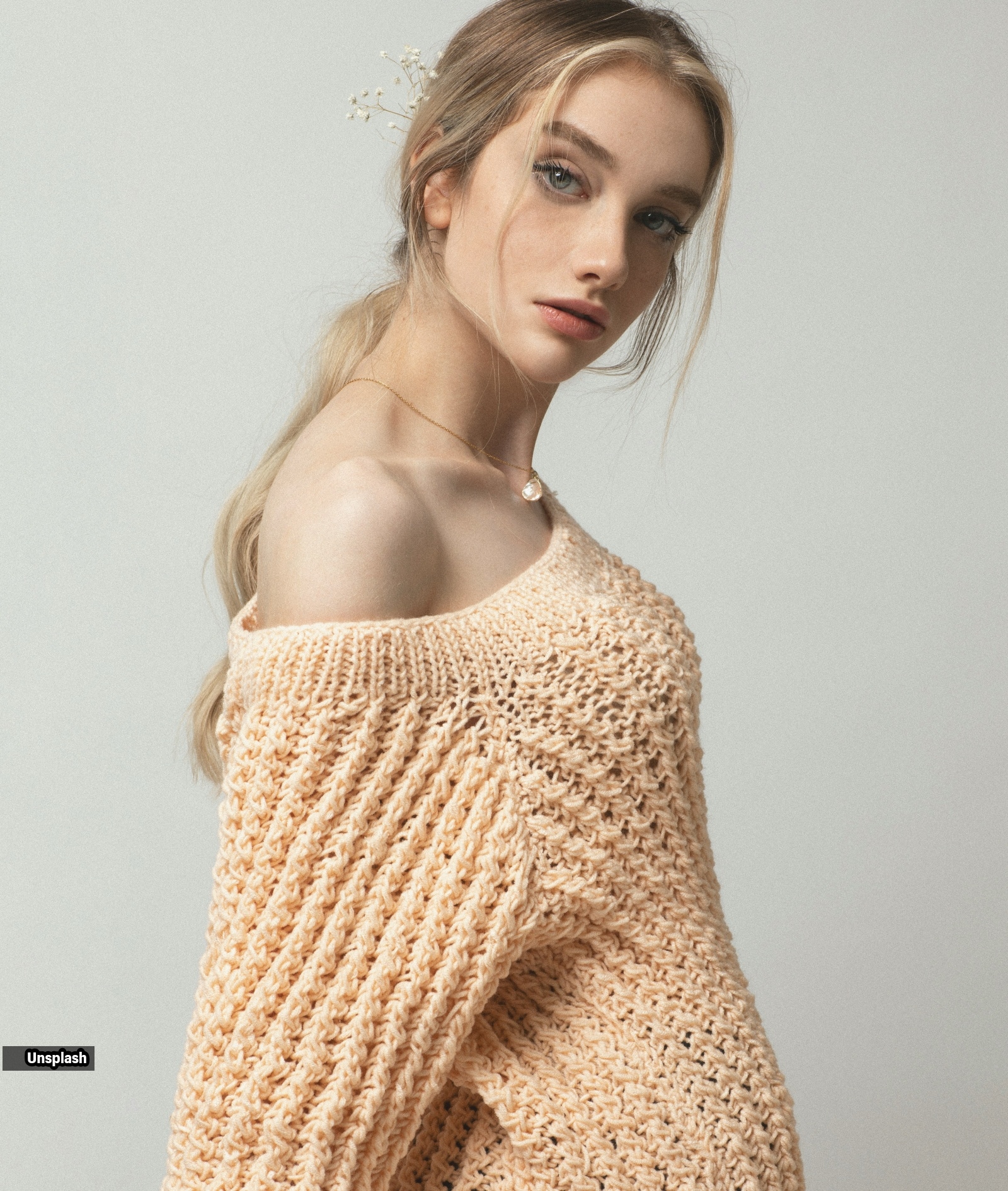
Comfort and luxury merged, with relaxed tailoring, luxury knitwear, soft jackets, refined sneakers, and trousers becoming staples. Designers emphasised how clothes feel on the body alongside their aesthetic appeal.
“Comfort-led luxury responds to modern lifestyles where work, travel, and social life blend. The quality of fabric and construction makes casualwear feel premium.”

4. Pre-Owned, Vintage & Circular Fashion
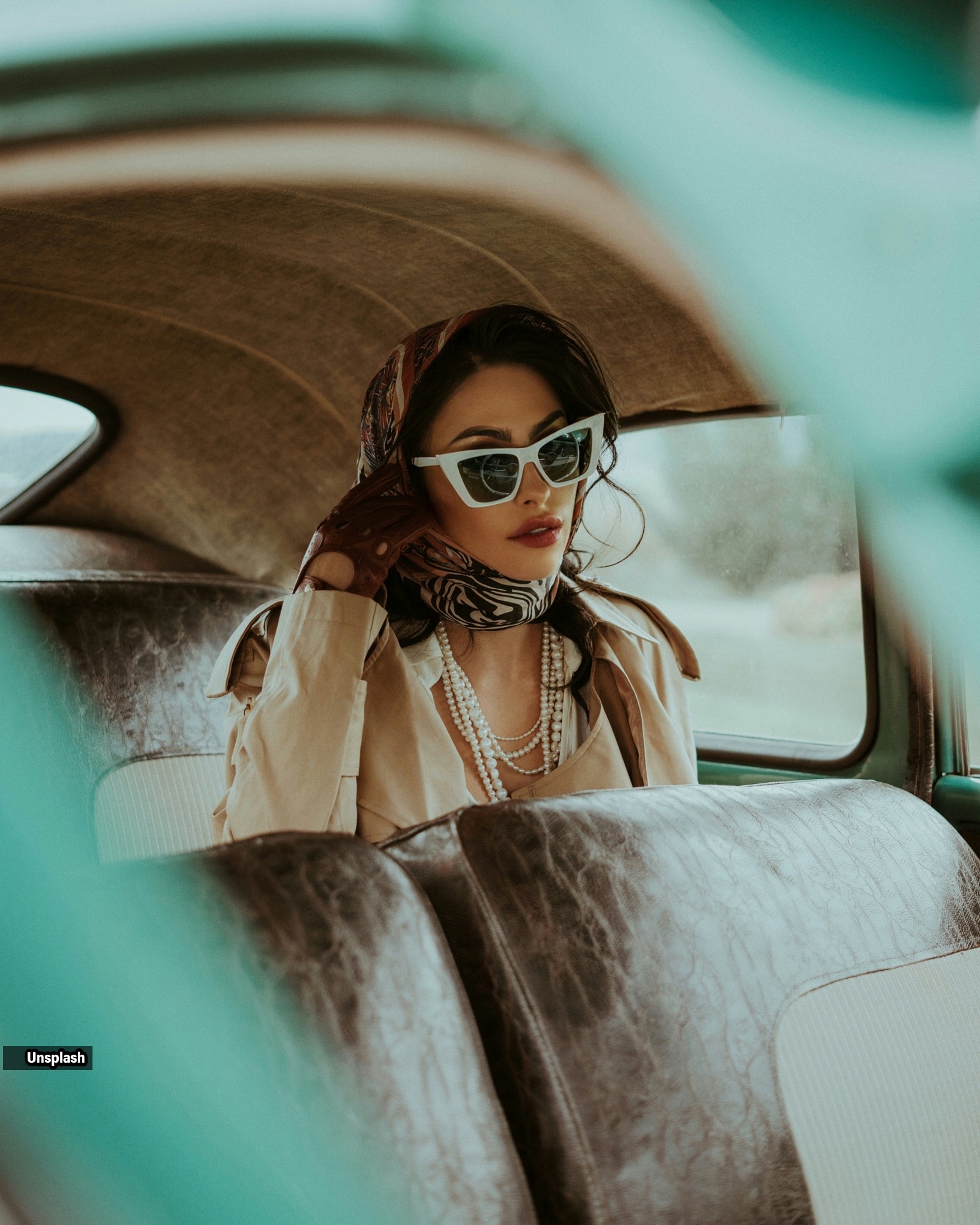
Pre-owned and vintage luxury gained popularity, supported by authentication, repair, and resale services. Consumers valued garments with history, uniqueness, and character.
Story continues below this ad
“Circular fashion allows the story of the garment to continue while promoting sustainability. Vintage items add heritage and character to wardrobes,” Deshpande tells indianexpress.com.

5. Technology & Digital Influence in Fashion
Technology shaped luxury experiences through AI styling, virtual try-ons, digital fashion shows, and virtual garments. Brands used digital tools to reach global audiences while maintaining exclusivity.
“Technology allows consumers to experience luxury globally while maintaining exclusivity. It complements craftsmanship rather than replacing it.”
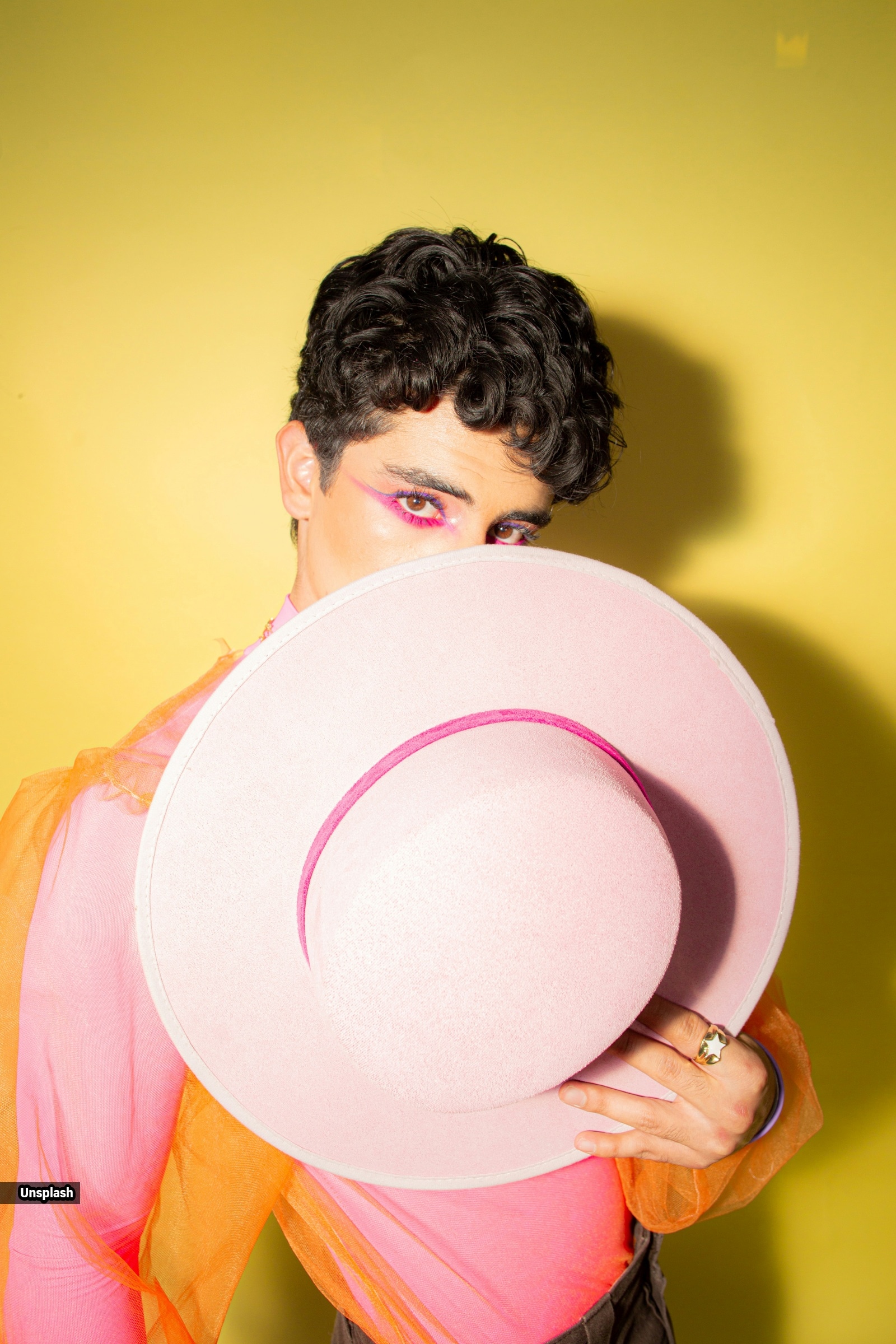
6. Gender-Fluid & Inclusive Fashion
Luxury fashion became more inclusive, with versatile silhouettes and campaigns representing diverse identities. Designers moved away from rigid gender norms to embrace individuality and self-expression.
Story continues below this ad
“Inclusive fashion reflects modern values. It empowers consumers to express identity freely and makes luxury more relatable.”

What’s here to stay?
As per Deshpande among all 2025 trends, quiet luxury stands out as the most wearable and likely to remain relevant beyond this year. “Quiet luxury combines craftsmanship, quality fabrics, and timeless design. It is practical, versatile, and can be worn year after year without going out of style.”
As per her, it focuses on simple, well-tailored clothing made from high-quality fabrics rather than bold logos or dramatic designs. “Pieces like structured blazers, clean trousers, cashmere knits, silk shirts, and classic coats fit easily into daily life and can be worn across seasons.”
Sustainability, comfort, and inclusivity demonstrate that modern luxury is not just aesthetic but also thoughtful and socially conscious. Digital fashion and circular design extend reach and longevity, making 2025 a pivotal year in redefining luxury for everyday life while remaining aspirational.


