

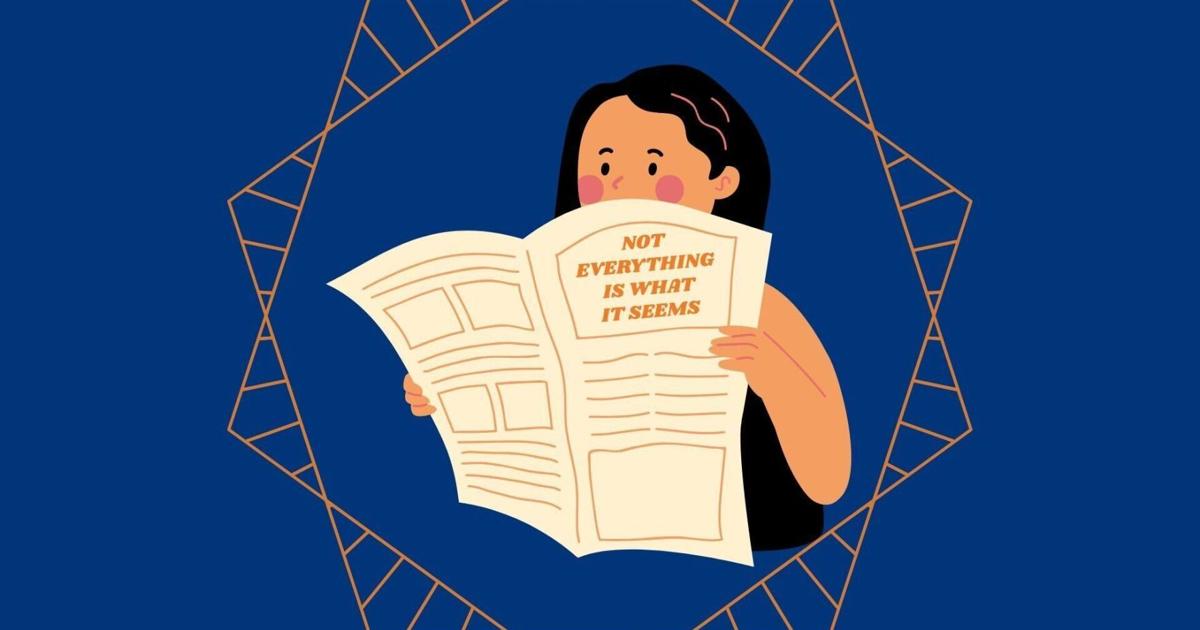
Teachers keep assigning readings, but most students are not actually reading anymore. We skim. We search for key words and copy quotes from articles we never finished. Then we go back to social media platforms such as TikTok, where information is quicker and easier to digest. Media literacy is not dying in theory, but inside classrooms, dorm rooms and inside our phones.
But first, what is media literacy? Media literacy is the awareness and critical understanding of how media shapes what we see, believe and share. Students are surrounded by more information than any generation before us, but it seems we engage with less of it.
Our phones flood us with notifications, headlines and updates from news outlets, influencers and brands. We can access breaking news, research studies and global conversations with a single search or scroll. Platforms like TikTok, X and Instagram deliver constant streams of opinions and “hot takes,” while online classes, emails and group chats add to the digital noise.
We do not dive into full stories. Instead, we read headlines, look at comment sections and call it research. We are informed enough to talk, but not informed enough to think deeply.
Take the recent British Vogue article that social media twisted into saying, “Having a boyfriend is embarrassing.” In reality, the story explored how modern dating culture pressures women to define themselves outside of relationships, not that being in one is shameful.
Still, people on TikTok and X mocked it without ever reading past the headline. This shows exactly how misinformation spreads because of speed, assumption and the comfort of half-truths we never bother to question.
Part of this is our fault. We choose the shortcut because it is easier. But part of it is the system we are in. Social media trains our brains to crave speed and reward instant opinions. News is turned into 10-second clips and algorithms make sure we keep watching. These algorithms are built to prioritize content that triggers quick reactions, not careful thought. The more we pause, like or comment, the more similar content we get fed. This further reinforces a cycle designed to hold our attention.
Complex issues are turned into trending sounds.
But media literacy is not about knowing everything. It is about knowing how to think. It means reading full articles, checking sources, asking why someone is saying something and who benefits from it. It is slow. It is not fun. And that is why many students do not do it.
Still, we should, because our opinions actually matter. If we are going to speak on issues, we should understand them beyond a headline or a slideshow on Instagram.
If students let media literacy die, we are the ones who will pay for it. We will be the generation that had unlimited access to truth and still chose to scroll past it. We do not need more information. We need to start caring enough to read it.
