



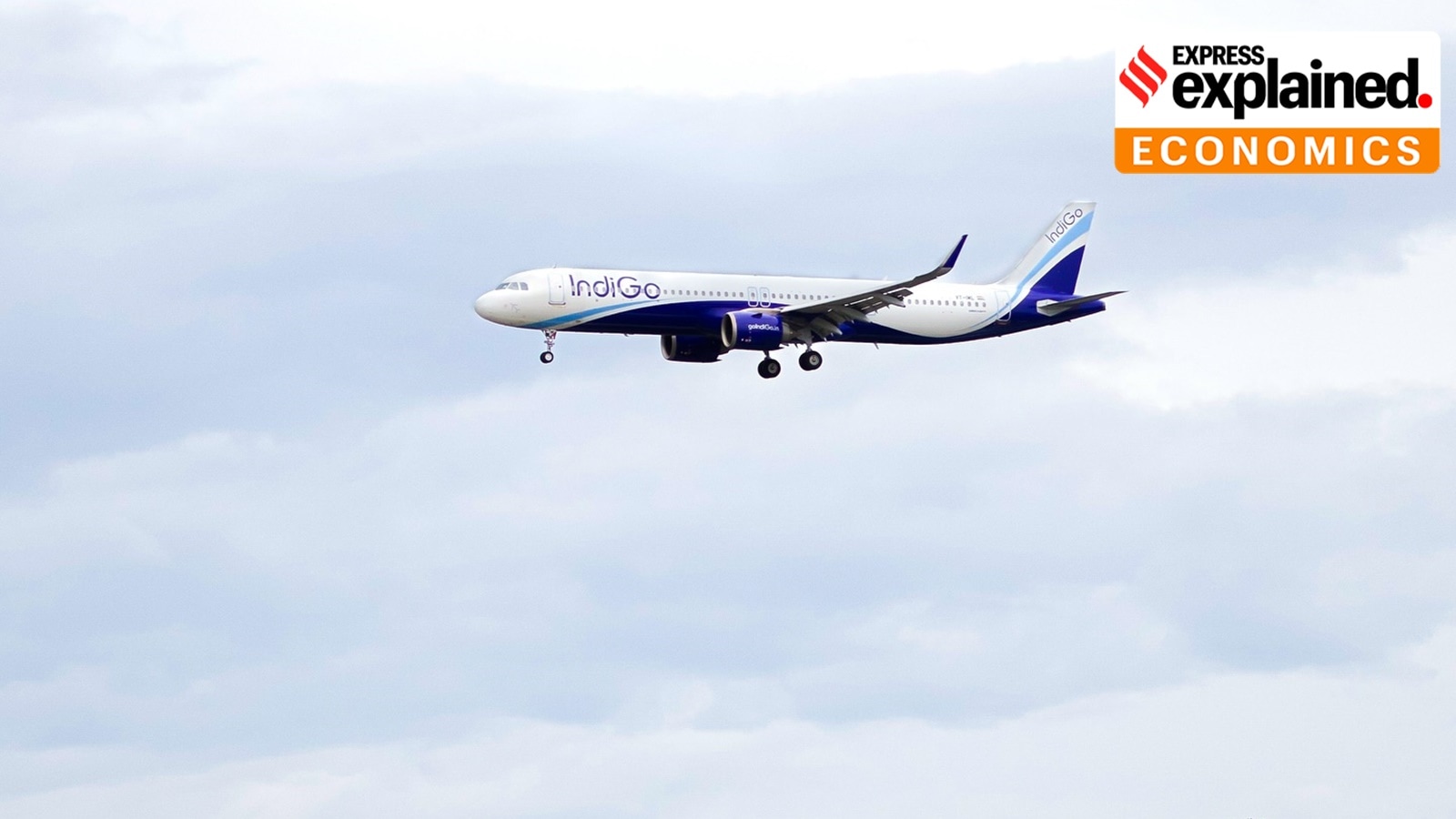
Heads have started to roll following the massive disruptions in IndiGo’s flight operations last week that severely affected tens of thousands of passengers. Aviation watchdog Directorate General of Civil Aviation (DGCA) on Friday (December 12) terminated the services of four flight operations inspectors (FOIs) who were engaged with it on a contract basis.
These FOIs were responsible for oversight on IndiGo and the airline’s preparations for the new pilot rest and duty duration rules. They were relieved with immediate effect to join their respective parent organisations.

Who are FOIs and what is the significance of the DGCA action? We explain:
The role of FOIs
The DGCA regularly engages experienced pilots on a contract basis as FOIs. During their tenure with the DGCA, they are not allowed to operate flights for airlines.
The FOIs are responsible for oversight, regulation and surveillance of airline operations in order to ensure safety and compliance with rules and standards. They are critical to the functioning of the DGCA’s Flight Standards Directorate. The DGCA had 17 FOIs, including the four FOIs whose services with the regulator have been terminated.
The four FOIs under the lens are Deputy Chief FOI Rishi Raj Chatterjee, Senior FOI Seema Jhamnani, and FOIs Anil Kumar Pokhriyal and Priyam Kaushik, according to the DGCA order.
Though there were obvious lapses on IndiGo’s part, the DGCA acted against the FOIs amid questions over its own role, or lack of it, in the IndiGo crisis.
Story continues below this ad
The significance of the sacking of the FOIs
According to sources, these officers were responsible for the oversight on IndiGo — India’s largest carrier with a domestic market share of almost 65 per cent — and the action against them indicates that the regulator believes that prima facie, they were to partly blame for the crisis.
Sources indicated that this could be followed by regulatory action against the airline, its officials including the top management, and others found responsible for the crisis that crippled India’s civil aviation system for days.
A DGCA-constituted four-member inquiry committee is investigating the circumstances leading to the IndiGo disruption, and is expected to submit its report within a few days to enable regulatory enforcement action and ensure institutional strengthening.
Civil Aviation Minister K Rammohan Naidu has assured stringent action based on the report against those found responsible.
Story continues below this ad
What happens now
IndiGo CEO Pieter Elbers and a few other top officials of the airline are appearing before the DGCA inquiry committee on Friday. A key focus area of the probe is to ascertain why such a major airline was caught ill-prepared for the new Flight Duty Time Limitation (FDTL) norms, which were stipulated almost two years ago and took effect in two phases—from July 1 and November 1.
Naidu has blamed lapses on IndiGo’s part for the disruption and that the government action in this case will “set an example”, indicating that even the top management personnel of IndiGo may have their jobs on the line, apart from facing heavy financial penalties and other action. The minister, while saying that lapses on the part of the regulator will also be studied, said that DGCA had given more than enough time to airlines to implement the new rules and barring IndiGo, all other carriers had smooth operations.
The IndiGo meltdown
The network-wide disruption faced by IndiGo was primarily due to the carrier’s inadequate preparation for the second phase of the new crew rest and duty norms that took effect on November 1. IndiGo was short on crew against what the new norms required, and in combination with a few other factors, this led to widespread disruption in the airline’s operations, leading to thousands of flight cancellations since the middle of last week.
Pilot associations and aviation experts questioned the DGCA’s oversight on IndiGo and the regulator’s decision to allow an increase in flights in the airline’s winter schedule that began on October 26. The airline has now been ordered to curtail its domestic flight schedule by 10 per cent.
Story continues below this ad
What is are the new rules for pilots
The new FDTL rules stipulate more rest for pilots and rationalization of their flying duties — particularly late night operations — in a bid to better manage pilot fatigue, which is a key risk to aviation safety. These new norms, which were stipulated in January last year were delayed in their implementation, and took effect in two phases — from July 1 and November 1 — with the second phase rollout hitting IndiGo considerably. The new norms meant that airlines either had to have more pilots to maintain their schedule, or shrink the schedule in line with the new requirements. IndiGo, however, was caught unprepared.
In review meetings, IndiGo also accepted that that the disruptions “have arisen primarily from misjudgement and planning gaps in implementing” the second phase of new FDTL rules, with the airline saying that the actual crew requirement for the new rules exceeded what it had anticipated, as per the DGCA. Given the scale of the disruption, the DGCA last week granted IndiGo a temporary one-time exemption from some night operations-related changes in the new FDTL norms for its Airbus A320 pilots. The temporary rollback, which will be in place till February 10, helped IndiGo to get its act together and stabilise operations. The DGCA also granted a few other temporary relaxations to IndiGo in a bid to ensure that flight operations remain stable.
Regulatory action against IndiGo so far
While granting temporary exemptions from some clauses of the new rules to IndiGo in passenger interest and to stabilise airline operations in the country, the government and the regulator have turned up the heat on the airline, openly blaming the carrier for the mess. Industry insiders believe that the government could even seek removal of senior IndiGo officials due to the fiasco.
The airline’s top officials have are being summoned frequently amid the ongoing probe and crisis mitigation efforts, the airline’s CEO Pieter Elbers and Chief Operating Officer Isidre Porqueras were served terse show cause notices, IndiGo’s flight schedule has been curtailed by 10 per cent, DGCA teams have been placed at the IndiGo headquarters to oversee the carrier’s network, crew, and passenger services operations, and ordered immediate on-site inspections at various airports to assess IndiGo’s safety, operational preparedness, passenger facilitation measures, and airline responsiveness as the airline recovers from severe disruption.
Story continues below this ad
IndiGo’s schedule has over 2,300 daily flights, around 2,150 of which are domestic flights. A 10 per cent curtailment in domestic flights would mean that the airline’s daily scheduled flights within the country would come down to less than 1,950. IndiGo is currently operating a lower number of flights than that.
