



According to Air India, a “third-party system disruption” affected its check-in operations as well as those of other carriers that rely on the same external vendor. The outage hit airports across major cities, leaving airlines to process passengers manually until systems came back online.
IndiGo and other airlines also reported delays, though some initially described them only as “operational issues.” However, reports from multiple airports confirmed that the root cause was the widespread technical failure affecting the check-in software platform.
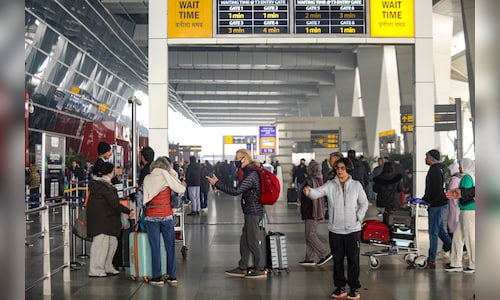
Airports witnessed significant congestion as staff attempted to manage crowds and assist travellers whose boarding passes could not be issued digitally. Ground teams were deployed to guide queues, verify documents, and facilitate manual check-ins.
By late evening, Air India announced that the system had been fully restored nationwide and that flight operations had returned to normal. “All flights are now operating as per schedule,” the airline said after services resumed. The carrier also advised passengers to continue checking their flight status for any residual delays as operations stabilised.
The disruption adds to a series of recent system-related setbacks in the aviation sector, including an earlier incident in November when a network issue caused Air India’s check-in terminals at Delhi and other airports to remain down for over an hour.
Although Tuesday’s outage was resolved within hours, the incident once again highlighted the sector’s dependence on centralised third-party technology systems — and the widespread operational fallout when such platforms fail.
