



Last Updated:
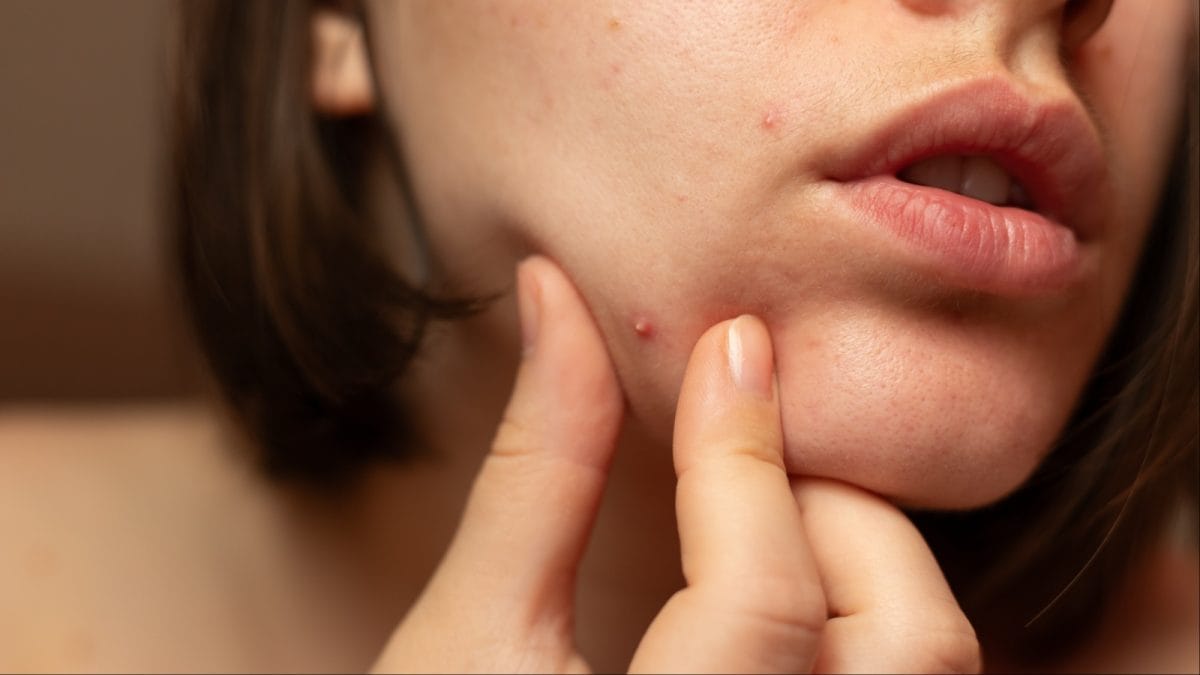
Acne and pigmentation are being increasingly reported among individuals aged 18 to 25. This is driven by stress, environment, and the rising misuse of skincare actives.

Stress and lifestyle cause acne and pigmentation rise in Indians aged 18-25.
In India, skin concerns are cropping up earlier and more severely than ever before. Young adults between 18 and 25 are increasingly reporting persistent acne, pigmentation, and sensitivity issues that were once associated with later stages of adulthood. Today’s youth are juggling academic pressures, digital overload, environmental stressors, and lifestyle imbalances, all of which are taking a tangible toll on their skin. The result is a generation navigating complex dermatology challenges far earlier than previous ones.
Modern Stressors And Lifestyle Choices
Dr. Anindita Sarkar, Chief Medical Officer at Clinikally, notes that chronic stress, disrupted sleep cycles, and long hours in front of screens are key drivers behind these early breakouts. “Add India’s high UV index, urban pollution, and humid climate, and the skin barrier is constantly under assault,” she says.
Dr. Shifa Yadav, Consultant Dermatologist at Artemis Hospitals, Gurugram, agrees, highlighting how modern habits exacerbate skin issues: “Hormones are affected by poor sleep, excessive screen time, unhealthy diets, and stress, all of which weaken the skin barrier. Junk food, sugary drinks, and processed snacks contribute to dull, acne-prone skin, while lack of exercise and sunlight can further compromise skin health.”
The Self-Treatment Generation
An emerging trend among young Indians is self-guided skincare. While awareness about actives and treatments has grown, misuse is also on the rise. “Many young users layer strong ingredients like retinoids and exfoliating acids without understanding how this impacts the skin barrier – often triggering more breakouts instead of fewer,” explains Dr. Sarkar.
Missteps like these can lead to prolonged recovery cycles, contact dermatitis, and even more pronounced pigmentation issues.
Acne In Context: Beyond The Face
Acne rarely exists in isolation in today’s youth. “We’re observing acne in combination with pigmentation, sensitivity, scalp problems, and early hair fall,” notes Dr. Sarkar. Dr. Yadav adds that environmental factors like air pollution, heat, humidity, and air conditioning further aggravate skin and hair issues. Fungal infections and early signs of skin ageing are also becoming increasingly common.
The Importance Of Early Professional Care
The good news is that young adults today are more open to consulting dermatologists and addressing skin problems early. “Getting a proper diagnosis and treatment promptly is essential to prevent long-term damage,” says Dr. Yadav. Dermatologists stress the importance of holistic care, balancing topical treatments with lifestyle modifications such as proper sleep, stress management, sun protection, balanced nutrition, and hydration.
Taking A Proactive Approach
Addressing acne and other dermatology concerns in young adults requires a combination of awareness, early intervention, and sustainable skincare habits. Prioritising professional guidance over self-treatment, maintaining consistent routines, and mitigating environmental and lifestyle stressors can help restore the skin’s natural barrier and resilience.
As India’s 18–25-year-olds navigate a complex web of academic, social, and environmental pressures, their skin increasingly reflects these challenges. Early intervention, mindful skincare, and lifestyle adjustments are critical for managing acne, pigmentation, and other dermatological concerns effectively. By combining professional care with holistic wellness, young adults can maintain healthier, more resilient skin in an era of unprecedented lifestyle stress.
Delhi, India, India
December 20, 2025, 11:42 IST
