



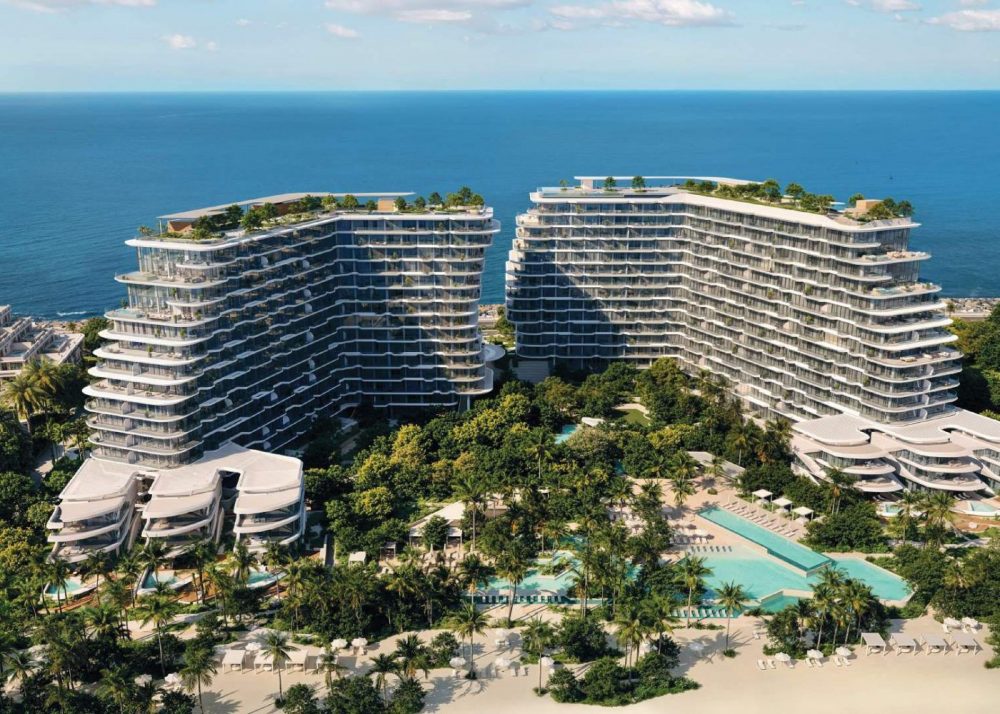
Urban development in the UAE is undergoing a noticeable shift toward environments that support long-term physical and mental wellbeing. As cities across the Emirates continue to grow, architecture and planning agencies increasingly treat wellness not as an amenity but as a structural principle shaping buildings, public spaces, and residential communities. Recent projects, including PASSO by Beyond, reflect this new direction in which design is guided by light, airflow, landscape, and the psychology of comfort.
Emerging neighbourhoods across the country demonstrate this evolution, supported by a growing public interest in healthier urban living. Developers are responding to changing expectations, new working patterns, and environmental considerations by embedding wellness into the initial design phase rather than treating it as an add-on. Projects such as Passo Beyond help illustrate how wellness-driven planning is becoming standard practice as the UAE positions itself as a model for climate-resilient and human-centred city building.
A National Shift Toward Health-Oriented Urban Environments
The UAE’s rapid urbanisation has long been associated with architectural ambition, but the priorities driving development are expanding. Wellness now sits alongside sustainability, mobility, and technological innovation as a measure of urban success. Government frameworks in Abu Dhabi, Dubai, Sharjah, and Ras Al Khaimah emphasise liveability as a core development objective, linking it directly to economic resilience and long-term population growth.
This approach positions wellness architecture as part of a wider national strategy. Across the Emirates, planners are integrating green corridors, shaded walkways, interconnected cycling routes, and social spaces designed to moderate climate impact and improve daily life. Residential projects follow the same pattern, with a growing emphasis on natural light, spacious layouts, acoustic comfort, and access to restorative outdoor areas. In Dubai, developments such as PASSO by Beyond Palm Jumeirah reflect how premium communities now consider sensory wellbeing as central to their identity rather than secondary to visual impact.
How the UAE’s Climate Shapes Design Priorities
Designing for wellbeing in a desert climate requires an understanding of how people move, gather, and rest throughout the day. High temperatures, strong sunlight, and seasonal humidity influence every decision—from materials and glazing to landscape planning and building orientation. Wellness architecture in the UAE therefore focuses on microclimate engineering, using natural shading, ventilated courtyards, layered façades, and water features to reduce heat while maintaining visual openness.
This strategy creates outdoor spaces that remain usable for longer periods, supporting physical activity and social interaction. Podium gardens, terraces, and shaded seating areas in new communities now serve as primary living environments rather than optional design elements. These spaces contribute to daily comfort, offering residents opportunities to disconnect from dense urban surroundings without leaving the city.
Wellbeing as a Driver of Residential Design
Inside the home, wellness-centred design appears in several ways. Open layouts facilitate flexibility, allowing residents to adapt rooms to changing lifestyles, particularly as remote and hybrid work become more common. Natural light is prioritised through expansive glazing and strategic orientation, reducing dependence on artificial lighting and creating a more stable daily rhythm.
Material selection also plays a role. Developers across the UAE increasingly choose surfaces and finishes that support acoustic balance, tactile comfort, and long-term durability. The aim is to create spaces that feel calm, coherent, and easy to navigate—qualities linked directly to reduced stress levels and improved cognitive performance.
Residential towers and communities also integrate shared spaces that support mental and physical wellbeing. Rooftop terraces, quiet lounges, walking paths, fitness areas, and children’s play zones now form part of the core planning process. These features reflect a growing recognition that wellbeing involves both solitude and community, and that architecture must support both dimensions.
Landscape as an Extension of Architecture
One of the most defining characteristics of wellness-driven development in the UAE is the integration of landscape with architecture. Instead of treating greenery as decoration, designers now use it to frame movement, manage temperature, and improve air quality. Palm-lined walkways, layered planting, reflective water elements, and native vegetation help create micro-environments that soften the intensity of the climate.
This approach reflects a broader understanding of how people respond to natural stimuli. Studies in environmental psychology consistently show that access to greenery reduces stress and enhances focus. For this reason, many UAE developments treat landscape as a functional component of wellbeing, shaping circulation routes and communal zones through organic, sensory-driven design.
The Role of Technology in Wellness Architecture
As the UAE continues to develop as a global innovation hub, technology plays an increasingly important role in shaping wellbeing within urban environments. Smart building systems regulate temperature, monitor air quality, and optimise lighting to support healthy indoor conditions. These technologies enhance comfort while ensuring efficient resource use—a key priority as the Emirates accelerate sustainability commitments.
Advanced modelling tools also allow architects to simulate wind behaviour, solar exposure, and heat distribution at the earliest design stage. This ensures that buildings respond effectively to environmental conditions before construction even begins. The result is a built environment that feels intuitively user-friendly, even in complex climatic settings.
A Changing Understanding of Urban Luxury
Wellness architecture is also influencing the premium residential market. Luxury in the UAE no longer refers solely to scale or opulence; it increasingly describes environments that support balance, privacy, and a sense of ease. Natural materials, spacious terraces, curated greenery, and sculptural architectural forms now define the top segment of the market. This shift reflects global trends, but its expression in the UAE is distinct due to the climate and rapid pace of urban expansion.
Developments across Dubai, Abu Dhabi, and other Emirates demonstrate how luxury and wellbeing now converge. High-end communities are designed to function as retreat-like environments, offering residents access to coastal views, shaded gardens, and thoughtfully designed interiors that promote restorative living. The rise of such developments signals a broader cultural shift in which wellbeing becomes a form of long-term value rather than a lifestyle accessory.
Toward a Unified Vision of Healthy Urban Living
Cities across the UAE are moving toward a shared objective: creating environments that support human health at every scale. From national policy frameworks to individual residential projects, the emphasis on wellbeing continues to influence architectural culture, economic planning, and community development. This shift marks an important stage in the evolution of UAE cities, positioning them as global leaders in the pursuit of quality urban life.
Wellness architecture provides a blueprint for the next generation of Emirati urbanism. It emphasises design intelligence, environmental responsiveness, and a people-centred understanding of how cities function. As the UAE continues to expand, these principles are likely to shape neighbourhoods, housing typologies, and public spaces for decades to come—creating cities that are not only visually striking but fundamentally supportive of the people who inhabit them.
Also published on Medium.
Notice an issue?
Arabian Post strives to deliver the most accurate and reliable information to its readers. If you believe you have identified an error or inconsistency in this article, please don’t hesitate to contact our editorial team at editor[at]thearabianpost[dot]com. We are committed to promptly addressing any concerns and ensuring the highest level of journalistic integrity.
